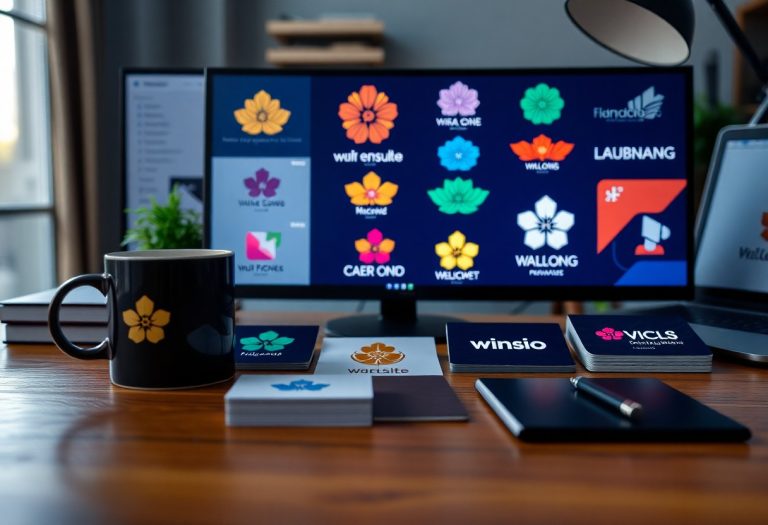

How to Create Scroll-Stopping Social Media Graphics for Your Blog Posts
Blog graphics are vital for capturing attention on social media, driving traffic to your blog posts, and engaging your audience. To create eye-catching, scroll-stopping visuals, you need to understand design principles, choose the right tools, and know how to tailor your graphics to each platform. This guide will walk you through the important steps to elevate your social media presence with stunning graphics that effectively promote your content.
Understanding Scroll-Stopping Graphics
To effectively engage your audience, it’s important to grasp what makes a graphic truly stand out. A scroll-stopping graphic captivates viewers, compelling them to pause and explore your content. This often hinges on visual hierarchy, color psychology, and emotional triggers that resonate with your target audience, ensuring your message is both clear and appealing.
Key Factors to Consider
When designing graphics, several elements significantly impact their effectiveness:
- Color contrast and harmony
- Font readability and style
- Image quality and resolution
- Alignment and placement of text
Perceiving these factors allows you to create a cohesive, striking visual that communicates your intended message without distraction.
Importance of Visual Appeal
Visual appeal directly affects how users perceive and engage with your content. Compelling graphics can boost engagement rates, making your posts more shareable and increasing overall visibility. Statistics reveal that posts with images receive 94% more views than those without. Visual elements not only enhance aesthetic value but also simplify complex information, allowing your audience to grasp key ideas quickly.
Essential Design Tips
Effective graphic design hinges on vital principles that can dramatically enhance the visual impact of your content. Prioritize simplicity and clarity, ensuring that your message is easily digestible. Key tips include:
- Focus on a dominant visual element.
- Limit your color palette to maintain harmony.
- Use high-quality images and graphics.
- Incorporate plenty of whitespace to avoid clutter.
- Keep text minimal and to the point.
Recognizing these elements will significantly improve your social media graphics.
Choosing the Right Colors
The colors you select play a pivotal role in evoking emotions and establishing brand identity. Opt for complementary colors that not only attract attention but also resonate with your audience’s preferences. Tools like Adobe Color can help you create palettes that reflect your content’s theme and enhance overall readability.
Utilizing Typography Effectively
Your choice of typography can greatly influence the perception of your graphics. Select fonts that align with your brand while being easy to read across devices. Pairing a bold headline font with a more subdued body font can create a visual hierarchy that guides the viewer’s attention.
Effective typography involves more than just choosing the right font. Pay attention to size, spacing, and alignment. Use larger sizes for headlines to ensure they stand out, while maintaining a clean and legible style for body text. Consider using contrasting fonts to create visual interest but stick to two or three fonts to avoid a chaotic appearance. Consistently applying these typography principles across your graphics solidifies your brand identity and enhances user engagement.
Crafting Compelling Imagery
Creating captivating imagery is important for effective blog graphics. You must focus on elements that not only grab attention but also convey your message clearly. Merging design principles with your content’s theme will enhance the visual appeal, ensuring that your graphics resonate with your audience. Experiment with contrasting colors, engaging layouts, and balanced compositions that reflect your blog’s voice.
The Power of High-Quality Images
High-quality images can significantly enhance the perceived value of your content. Visuals that are sharp, well-lit, and professionally composed draw viewers in, fostering a sense of trust and engagement. Studies show that posts featuring appealing images receive 94% more views than those without, making it imperative to invest in quality visuals.
Incorporating Branding Elements
Integrating branding elements into your social media graphics ensures consistency across platforms. This includes using your brand colors, fonts, and logos. When people see your graphics, they should immediately connect them to your brand identity, fostering recognition and loyalty. Aim for a cohesive style that aligns with your overall branding strategy.
Your branding elements should be seamlessly woven into the visuals without overwhelming the content. For instance, if your blog is known for a specific color palette, utilize those colors in your graphics to create familiarity. Incorporate your logo subtly in the corner of images or as a watermark; this promotes your brand while maintaining focus on the message. Utilize consistent typography that reflects your brand’s personality, reinforcing your visual identity across different platforms and ensuring audience recall.
Creating Engaging Text Overlays
To enhance your blog graphics, integrating engaging text overlays is key. This not only attracts attention but also conveys your message succinctly. Use bold typography and contrasting colors to make the text stand out against the background. Aim for clarity and ensure your font size is large enough to be readable across devices, as mobile screens often make smaller text hard to decipher.
Writing Captivating Headlines
Your headlines serve as the first impression of your content. Use action verbs and emotional triggers to draw your audience in, such as “Unleash the Secrets” or “Transform Your Approach Today.” Keeping it under 8 words enhances memorability, making it easier for viewers to recall and re-share your content.
Aligning Messaging with Audience
Understanding your audience allows you to tailor your messaging effectively. Analyze demographic data to uncover interests and pain points, enabling you to craft text overlays that resonate deeply. For instance, if you’re targeting millennials, use language and visuals that reflect their values and aspirations.
Take the time to segment your audience and create variations of your text overlays that speak to the distinct needs of each group. For example, for a health-focused audience, you might use words like “boost” and “energize,” whereas for a lifestyle audience, terms like “explore” and “enjoy” resonate better. This targeted approach increases engagement rates, as your messaging feels personalized and relevant, prompting action and sharing among viewers. Analyze engagement metrics regularly to refine your strategy and ensure continuous alignment with audience preferences.
Tools and Resources for Design
To elevate your blog posts with stunning graphics, leveraging the right tools and resources is vital. Various software options offer advanced features for both beginners and seasoned designers, while a plethora of image resources can help you find the perfect visuals to complement your content. By utilizing these tools effectively, you can streamline your design process and enhance the overall quality of your graphics, ensuring they capture attention on social media platforms.
Recommended Graphic Design Software
You can choose from a range of graphic design software to create captivating visuals. Adobe Creative Suite is the industry standard, offering programs like Photoshop and Illustrator for advanced editing. For simpler projects, Canva provides user-friendly templates and drag-and-drop functionality. Additionally, tools like Affinity Designer and Sketch are excellent for vector graphics and UI design, respectively. Your choice will depend on your design needs and skill level.
Free and Paid Resources for Images
Your graphics can shine with the right images, and numerous sources exist for both paid and free visuals. For high-quality stock photos, websites like Shutterstock and Adobe Stock offer extensive libraries, while free options like Unsplash and Pexels provide stunning images without cost. Choosing the right source can significantly impact the professionalism of your graphics.
When deciding on images, consider the licensing agreements associated with each platform. Stock photo sites like Shutterstock charge per download, granting you access to premium quality visuals, while Unsplash allows free use without attribution, perfect for budget-conscious creators. Make sure to read the terms of each resource, as some require credits or impose limitations on commercial use. Balancing quality and affordability will enhance your blog’s visual appeal authentically.
Testing and Analyzing Your Graphics
Assessing the effectiveness of your graphics is necessary for maximizing their impact. Testing various designs, colors, and layouts across platforms can reveal what resonates most with your audience. Collect data on performance metrics like click-through rates and conversion percentages to determine which graphics drive the highest engagement. Consider A/B testing to compare versions directly and refine your approach based on empirical evidence.
Measuring Engagement Rates
Analyzing engagement rates is fundamental to understanding your graphics’ success. Keep track of likes, shares, comments, and website traffic generated from posts featuring your visuals. Utilize analytics tools to monitor these metrics over time, which helps paint a clearer picture of which visuals spark interest and encourage action from your audience.
Iterating Based on Feedback
Gathering feedback from your audience is vital for refining your graphics. Surveys, direct comments, and social media interactions can provide insights into what your audience enjoys or dislikes. By prioritizing this feedback, you can make informed adjustments that better align with your target demographic’s preferences.
After collecting feedback, analyze patterns to identify specific areas for improvement, such as color schemes, text readability, or image choices. If multiple users comment on a particular design element, consider adjusting or replacing it. Additionally, engaging with your audience about their thoughts can foster a sense of community, further enhancing their connection to your brand. Continuous refinement based on this feedback evolves your graphics and keeps your content fresh and relevant. Testing different iterations ensures that you’re always in tune with your audience’s preferences, increasing the likelihood of achieving higher engagement rates.
To wrap up
Summing up, to create scroll-stopping social media graphics for your blog posts, focus on eye-catching visuals, cohesive branding, and clear messaging. Utilize bold colors and legible fonts to stand out in crowded feeds. Incorporate your key message and a call to action to engage your audience effectively. Consistently analyze performance to refine your approach and enhance engagement over time. By implementing these strategies, you can significantly boost the visibility and impact of your content across social platforms.