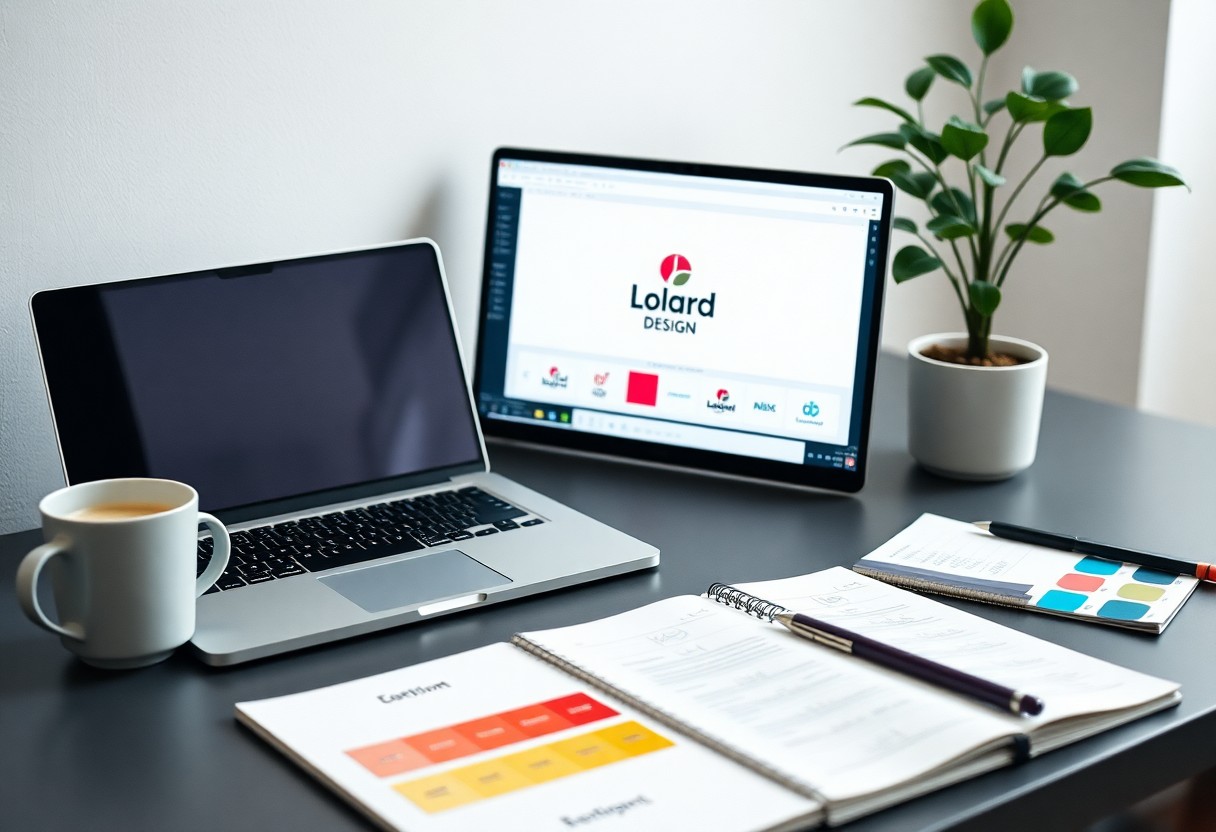
Winning Logo Design Ideas for Affiliate Marketers Who Want to Stand Out
Many affiliate marketers struggle to create a memorable brand identity that captures attention in a crowded marketplace. A well-designed logo is vital for you to establish trust and recognition among your audience. In this blog post, you’ll discover innovative logo design ideas tailored to help you differentiate your brand, convey your message effectively, and ultimately enhance your marketing efforts. Let’s explore practical strategies to elevate your logo design and make your brand unforgettable.
Understanding the Importance of a Unique Logo
A unique logo is a vital component of your brand identity, serving as the visual anchor for consumer recognition. It encapsulates your core values and differentiates you from competitors, making it easier for your audience to remember you. A well-designed logo communicates professionalism and trust, influencing your audience’s perception of your affiliate marketing efforts. When potential customers see your logo, it should evoke the essence of your brand and inspire confidence in your products and services.
The Role of Branding in Affiliate Marketing
Effective branding sets the stage for your affiliate marketing success. By developing a strong brand identity, you create an emotional connection with your audience that fosters loyalty and trust. Your logo plays a significant part in this process, serving as a recognizable symbol of your values and mission. Consistent branding across all platforms, from your website to social media channels, ensures that your audience easily identifies your offerings, paving the way for repeat business and improved conversions.
Differentiating Yourself from Competitors
In a saturated market, standing out from the competition is crucial for attracting and retaining customers. A unique logo allows you to create an immediate visual distinction that captures attention and conveys your unique selling proposition. By leveraging elements like color, typography, and imagery that resonate with your target audience, your logo can tell your brand story at a glance, making it easier for customers to choose you over others. It’s not just about being different; it’s about being memorable and relevant.
Consider using distinctive colors and shapes that reflect your niche; for instance, if your affiliate marketing is within the eco-friendly sector, earthy tones paired with nature-inspired imagery can resonate deeply with your audience. Brands like Shopify successfully use their logo to reinforce their identity distinctly in a crowded space, resulting in heightened recognition and customer loyalty. By prioritizing differentiation through your logo, you set the stage for enhanced visibility, allowing your brand to thrive in the competitive affiliate marketing landscape.
Key Elements of Effective Logo Design
An effective logo captures your brand’s essence, ensuring it resonates with your target audience. Focus on simplicity, memorability, and relevance to effectively communicate what your affiliate marketing venture stands for. Including the right elements, such as typography and imagery, plays a significant role in making your logo distinguishable and relatable, which can positively influence your brand’s perception and customer loyalty.
Simplicity and Memorability
A simple design is easier to recognize and remember. Logos like Apple’s and Nike’s demonstrate that minimalism can have a powerful impact. When you create a straightforward logo, you increase the likelihood that potential customers will recall your brand amidst countless others. Aim for design clarity, ensuring that key brand elements are easily identifiable and instantly recognizable.
Color Psychology and Its Impact
Your color choices can evoke emotions and influence perceptions of your brand. For instance, blue conveys trust, while red can signal urgency or excitement. Understanding color psychology allows you to craft a visual identity that aligns with your brand’s values and appeals to your audience. It’s imperative that each color you select effectively communicates your brand’s message and grabs attention.
Studies show that color can increase brand recognition by up to 80%. Consider Coca-Cola’s use of red to evoke excitement and appetite, juxtaposed with its darker hues for luxury products. Similarly, in affiliate marketing, the right color scheme can increase click-through rates and conversions. When developing your logo, explore how different colors align with your brand’s personality and mission, ensuring that they connect with your audience’s emotions. Integrating color psychology into your design will enhance brand recall and make your affiliate marketing efforts more impactful.
Designing for Your Target Audience
Understanding your target audience is key to crafting a logo that not only stands out but also resonates deeply with potential customers. When your logo aligns with the values, preferences, and needs of your audience, it becomes a powerful tool in building trust and loyalty. Paying special attention to the visual language that appeals to your demographic can transform a simple design into a strong brand statement.
Knowing Your Demographic
Your demographic profile includes data points such as age, gender, profession, interests, and purchasing habits. By analyzing these aspects, you gain insights into what appeals to your audience. For instance, a youthful demographic may respond better to vibrant colors and playful fonts, while a more mature audience might prefer a timeless design with classic typefaces. Tools like surveys or social media insights can be invaluable in pinpointing these characteristics.
Aligning Design with Audience Preferences
Aligning your logo design with audience preferences means creating a visual language that speaks directly to their tastes and values. For example, if your audience is environmentally conscious, incorporating earthy tones and natural imagery can enhance connection. Similarly, a tech-savvy audience might appreciate sleek, modern designs that highlight innovation. Tailoring your logo to reflect your audience’s preferences makes it more relatable and appealing, increasing brand recognition and affinity.
To effectively align your design with audience preferences, consider conducting focus groups or A/B testing with potential customers. Collecting feedback on different logo variations can provide insights into elements that resonate most. It’s also vital to stay updated on design trends that appeal to your specific audience. For instance, a millennial target market may gravitate towards minimalistic and adaptable designs, which are increasingly seen in successful brands. Ultimately, the more you understand and cater to your audience’s visual preferences, the more likely your logo will make a lasting impression.
Creative Logo Design Ideas
Exploring creative logo design ideas can set your affiliate marketing brand apart in a crowded marketplace. Consider innovative approaches that emphasize visual storytelling or integrate unique graphics reflective of your niche. Break away from conventional elements and embrace originality to capture attention and enhance brand recall. By leveraging bold colors, unexpected shapes, or clever typography, you can create a logo that not only represents your brand but also resonates deeply with your audience.
Minimalist Approaches
Minimalist designs strip away the unnecessary, focusing on necessary elements that represent your brand. This approach uses simple shapes and limited color palettes to create a clean, memorable logo. Effective minimalist logos often carry a strong emotional impact, making them easily recognizable and versatile across various platforms.
Incorporating Personalization
Personalization in logo design can significantly enhance your brand’s connection with your audience. By integrating elements that reflect your values, mission, or even your personal story, you create a logo that feels more relatable and authentic. Consider incorporating a signature element or a unique color palette that speaks to your niche and audience. This level of personal touch not only differentiates your brand but also fosters a deeper emotional resonance with potential customers.
Taking personalization further, analyze your audience’s preferences and demographics when designing your logo. Research suggests that brands that infuse personal elements into their logos see a 50% higher engagement rate, as audiences feel a stronger connection to the logo’s story. You can also utilize customer feedback or visual elements that convey shared values, ensuring that your logo isn’t just a logo but a symbol of community and shared interests. By merging these personalized aspects with professional design principles, your logo can evolve into a powerful brand ambassador that speaks directly to your audience’s hearts and minds.
Tools and Resources for Logo Creation
Leveraging the right tools and resources can simplify the logo creation process, helping you develop a standout design that aligns with your marketing strategy. Whether you opt for software or hire a professional, it’s imperative to choose a platform that suits your skill level and design vision.
Design Software and Platforms
You have numerous design software options at your disposal, ranging from user-friendly platforms like Canva and Adobe Spark to more advanced tools such as Adobe Illustrator and CorelDRAW. Canva offers templates and intuitive drag-and-drop features, making it perfect for beginners, whereas Adobe Illustrator provides extensive design flexibility for those with more experience. Each tool has unique advantages that can enhance your logo creation process.
Hiring a Professional vs. DIY
Deciding between hiring a professional designer and creating your logo yourself can significantly impact your brand identity. A professional can bring years of experience and specialized knowledge, often resulting in a more polished final product. Conversely, a DIY approach allows for complete control over your design but may lack the refinement that a trained designer offers. Assess your budget, design skills, and the time you can invest before making this decision.
Testing Your Logo
Testing your logo ensures it effectively conveys your brand’s message and resonates with your audience. This process involves presenting your design to potential customers and stakeholders, allowing you to gauge their reactions. Use various methods, such as online surveys or focus groups, to gather diverse perspectives, helping you determine whether the logo captures the intended emotion and meaning.
Gathering Feedback
Gather feedback from a mix of your target audience, industry peers, and branding experts to gain multiple viewpoints. Utilize platforms like social media or dedicated survey tools to collect opinions. Ask specific questions about color choices, clarity, and overall impression to identify strengths and weaknesses in your logo design.
Making Adjustments Based on Insights
Adjustments based on gathered insights can significantly enhance your logo’s effectiveness. By prioritizing the feedback that aligns with your brand identity and target audience preferences, you can refine elements like color, typography, and imagery. This iterative process sharpens your logo, ensuring it not only stands out visually but also resonates with your audience’s values and expectations.
Delving deeper into adjustments, consider the parameters that resonate most with your audience. For instance, if feedback indicates that your color palette lacks vibrancy, experiment with bolder shades that evoke the desired emotional response. If clarity is an issue, test different fonts or simplify your design elements to enhance readability. Examine the feedback quantitatively—if 70% of respondents prefer a specific design tweak, it’s worth considering seriously. This data-driven approach creates an evidence-based foundation for making informed decisions that elevate your logo’s impact while maintaining your brand’s authenticity.
Summing up
With these considerations, you can create a logo that not only reflects your brand’s identity but also appeals to your target audience. Focus on simplicity, uniqueness, and relevance to ensure your logo stands out in the competitive affiliate marketing landscape. Incorporating the right colors and typography will enhance brand recognition, while a memorable design will leave a lasting impression. By prioritizing these aspects, you are positioning your brand for success and enhanced visibility in the marketplace.