Custom Logo Design Ideas That Make Small Businesses Stand Out
Branding is necessary for establishing your small business’s identity and attracting customers. Your logo serves as a visual representation of your brand, making it vital to create a design that captures your essence while resonating with your audience. In this post, you’ll discover innovative logo design ideas tailored for small businesses, empowering you to make a lasting impression and differentiate yourself in a competitive market.
Understanding the Importance of Logo Design
A logo is not just a visual element; it embodies your brand’s identity and values. It serves as a primary means through which customers identify and differentiate your business in a crowded marketplace. A well-designed logo can evoke emotions, enhance recognition, and build trust, making it an indispensable asset for any small business aiming to create a lasting impression.
The Role of Branding
Branding goes beyond your logo; it encompasses your entire business persona, including your mission, values, and customer experience. Your logo is a visual representation of this identity, acting as the face of your brand across various platforms. When consistently applied, it helps forge a connection with your audience, ensuring they associate positive feelings with your products and services.
First Impressions Matter
Your logo is often the first point of contact for potential customers. A striking, memorable logo can grab attention and pique interest, encouraging further exploration of your offerings. Research shows that consumers form opinions about a brand within milliseconds, highlighting the need for an effective logo that resonates with your target audience.
First impressions hold significant weight in consumer behavior, often determining whether a potential customer will engage further with your brand. Studies indicate that nearly 75% of consumers judge a company’s credibility based on its logo, underlining the importance of design quality. An innovative logo communicates professionalism and attention to detail, which can set the tone for your entire business relationship. Emphasizing distinct features and color schemes can help your brand resonate with specific demographics, enhancing your appeal right from the first glance.
Key Elements of Effective Logo Design
Effective logo design hinges on several key elements that ensure your brand resonates with its audience. A well-crafted logo communicates your business’s values and mission at a glance. It should not only be visually appealing but also functional across various platforms and applications. Consider branding consistency, scalability, and memorability, as these factors will influence your logo’s overall impact and recognition in the market.
Simplicity and Versatility
Simplicity is paramount in logo design; a clean, uncluttered look makes it easier for customers to recognize and remember your brand. Versatility goes hand-in-hand with simplicity, allowing your logo to perform well in different sizes and contexts, whether on a business card, a website, or a billboard. Opt for a design that retains its integrity in black and white as well as color, ensuring it remains effective across various mediums.
Color Psychology
Color psychology plays a significant role in logo design, as different colors evoke specific emotions and perceptions. For example, blue can convey trust and dependability, while red often signifies excitement and passion. Understanding the psychology behind color choices allows you to connect more deeply with your target audience, impacting their perception of your brand and influencing their purchasing decisions. Choosing the right color palette can ultimately set you apart from competitors and establish a lasting impression in the minds of customers.
The impact of color psychology is backed by research; studies show that up to 85% of consumers make purchasing decisions based on color alone. For instance, while green is often associated with sustainability and health, yellow can create a sense of optimism and energy. Choosing colors that align with your brand’s message not only enhances your identity but also fosters emotional connections. Brands like McDonald’s utilize red for appetite stimulation, while Facebook employs blue to promote a sense of trust and serenity. Thus, carefully consider the emotional resonance of your color choices to create a compelling and relatable brand experience.
Inspiring Logo Design Ideas for Small Businesses
Small businesses can elevate their branding through inventive logo designs. By utilizing fresh concepts and unique elements, you can create a visual identity that not only captures attention but also communicates your brand’s essence. Explore imaginative shapes, colors, and typography that reflect your business values and appeal to your target audience, ensuring your logo stands out in a crowded marketplace.
Unique Typography Choices
Your choice of typography can significantly enhance your logo’s personality. Opt for distinct typefaces that resonate with your brand voice—whether playful, elegant, or modern. For instance, custom fonts paired with your brand colors can create a memorable visual impact. Avoid overly generic fonts and aim for something that makes a statement about who you are, giving your logo a unique flair that sets it apart.
Symbolism and Storytelling
Effective logos often incorporate symbolism that aligns with your brand narrative. By embedding meaningful elements, your logo can tell a story that resonates with your audience. For example, the use of iconography that relates to your product or service can evoke emotions and create a connection with potential customers. This storytelling aspect is vital, as it provides context and significance, ultimately fostering brand loyalty.
Consider how well-known brands utilize symbolism to communicate their ethos. Take FedEx for instance, where the hidden arrow symbolizes speed and precision. Your logo can leverage similar tactics by integrating subtle imagery that reflects your brand’s mission and values. This not only reinforces your identity but also encourages recognition and engagement, as customers begin to associate your logo with the story behind it. Thoughtful symbolism can make your logo not just a design, but a narrative that your audience will connect with, enhancing overall brand recall.
Trends in Custom Logo Design
Keeping your logo relevant means staying attuned to design trends. Current trends like minimalist designs and vintage aesthetics are gaining traction among small businesses. These styles not only capture attention but also convey brand values effectively. Embracing modern typography and color palettes can further elevate your logo’s impact, ensuring it resonates with your target audience.
Minimalist Designs
Minimalist designs prioritize simplicity and clarity, enabling your brand to shine without distraction. Utilizing clean lines, ample white space, and limited color palettes can create a logo that’s easily recognizable and memorable. This trend appeals to consumers who appreciate modern aesthetics and the notion of less is more.
Vintage and Retro Aesthetics
Vintage and retro aesthetics draw inspiration from past eras, invoking nostalgia while remaining distinct in a crowded marketplace. This trend often includes earthy color tones, classic typography, and textured finishes that add character to your logo. Many brands choose this style to convey authenticity, craftsmanship, and a sense of heritage.
The allure of vintage and retro aesthetics lies in their ability to evoke feelings of nostalgia and connection. For instance, companies like Coca-Cola and Levi’s leverage vintage elements to reinforce their established brand narratives. You might adopt a retro color palette or distinctive typography reminiscent of the mid-20th century to attract consumers who value tradition and storytelling in their brands. This approach can differentiate your business, appealing to an audience that responds positively to authenticity and classic design sensibilities.
Tips for Collaborating with a Designer
Successful collaboration with a designer can significantly enhance your logo’s impact. Focus on clear communication and mutual understanding to create a logo that truly embodies your brand. Follow these tips to ensure a productive partnership:
- Be clear about your brand identity.
- Set realistic timelines and budgets.
- Share examples of logos you admire.
- Ask questions and engage in discussions.
- Stay open to creative suggestions.
Knowing these strategies can transform your collaboration into a seamless creative process.
Defining Your Vision
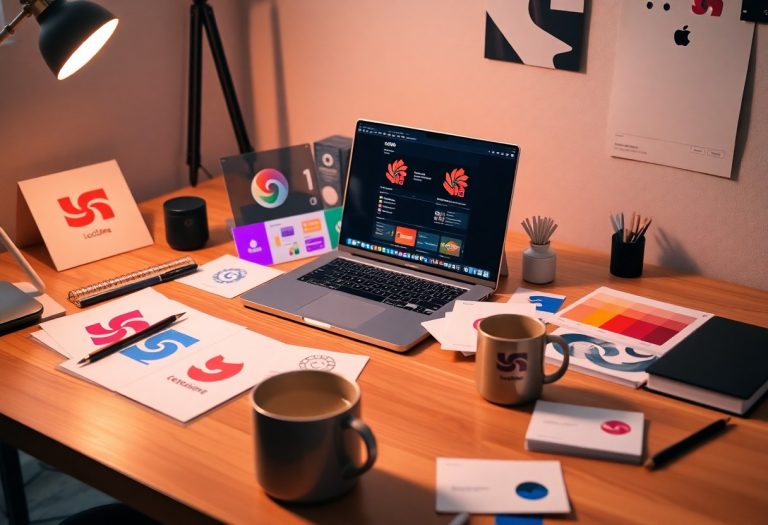
Before approaching a designer, defining your vision is necessary. Consider your brand’s mission, target audience, and unique selling points to guide the design process. Creating a mood board with colors, fonts, and images that resonate with your brand can facilitate clear communication, ensuring the designer captures your essence accurately.
Providing Constructive Feedback
Providing constructive feedback is vital for refining your logo design. Be specific about what you like and dislike in the concepts presented, focusing on elements such as color, typography, and overall vibe. Frame your feedback positively to encourage a fruitful dialogue and creative adjustments.
When giving feedback, consider suggesting alternatives or specific adjustments rather than just stating what doesn’t work. For instance, if a color feels too bright, you might propose a more muted shade that better aligns with your brand personality. By being descriptive and offering actionable insights, you foster a productive environment that allows the designer to make effective modifications while maintaining creativity.
Common Mistakes to Avoid
Avoiding common pitfalls can drastically improve the effectiveness of your logo design. Small businesses often stumble in areas like overcomplicating their logos or neglecting their target audience. By steering clear of these mistakes, you can create a more impactful and memorable brand identity that resonates with your customers.
Overcomplicating Your Logo
Simplifying your design is paramount. Overly complicated logos confuse audiences and detract from brand recognition. Aim for a clean, straightforward design that is easily scalable and recognizable, even at smaller sizes or from a distance.
Ignoring Your Audience
Misunderstanding your target audience can lead to misalignment in your branding. If your logo doesn’t resonate with the people you’re trying to reach, you risk losing potential customers and diminishing brand loyalty. Researching preferences, behaviors, and visually appealing elements to your audience ensures your logo will connect with them effectively.
Understanding your audience involves more than just basic demographics; it requires delving into their emotional triggers and cultural references. Conduct surveys or focus groups to gauge their opinions on color schemes, styles, and overall design aesthetics. For instance, a tech brand targeting millennials may benefit from sleek, modern designs, while a family-owned bakery might want a whimsical, warm aesthetic. Tailoring your logo to fit what resonates with your specific audience increases the likelihood of creating a memorable and engaging brand experience.