Designing for Conversions – Strategies to Turn Visitors into Customers
Over time, effective web design has become crucial in guiding your visitors towards making a purchase. By understanding key strategies that enhance user experience and drive engagement, you can significantly increase your conversion rates. This blog post will examine into proven techniques that can transform your website into a powerful tool for turning casual browsers into loyal customers.
Understanding Visitor Behavior
Your ability to convert visitors into customers hinges on understanding their behavior. By analyzing how users interact with your website, you can identify patterns, preferences, and pain points. Tools like heatmaps and user recordings provide insights into where visitors click, scroll, and abandon carts, allowing you to make informed design and content adjustments that cater specifically to your audience’s needs.
Analyzing User Intent
User intent illustrates what a visitor seeks when they land on your site. By examining the keywords they use, the pages they navigate, and their overall journey, you can tailor content and messaging that aligns with their expectations. This intentional approach fosters a connection, ultimately enhancing the likelihood of conversion.
Importance of User Experience
A seamless user experience fosters trust and satisfaction, leading to higher conversion rates. Every interaction, from loading speed to navigation clarity, impacts how a visitor perceives your brand. Optimizing your site for mobile devices, ensuring fast page loads, and simplifying checkout processes contribute to a positive user journey.
An exceptional user experience is built upon responsiveness and ease of use. For instance, a 2019 study revealed that 53% of mobile users will abandon sites that take over three seconds to load. Moreover, brands like Amazon credit their success to prioritizing user experience, maintaining a streamlined, intuitive platform that encourages exploration and repeat visits. By addressing your visitors’ needs and frustrations, you pave the way for increased loyalty and conversion rates.
Crafting Compelling Offers
Your offers must resonate with visitors, clearly highlighting what makes your product or service invaluable. Showcase competitive advantages by outlining distinct features, benefits, and testimonials. Tailor your messaging to address pain points and desires, ensuring that potential customers understand how your solution transforms their situation. Capture attention with polished visuals and concise copy that reinforces the perceived value of your offer.
Value Proposition Development
A strong value proposition clearly articulates the unique benefits your product or service provides. Focus on specific solutions to customer pain points, using straightforward language. Benefits should be quantifiable where possible, such as highlighting cost savings or efficiency gains. A compelling value proposition ensures visitors grasp why your offering stands out amidst competitors, increasing the likelihood of conversion.
Creating Urgency and Scarcity
Utilizing urgency and scarcity can significantly drive conversions by prompting visitors to act quickly. Limited-time offers or dwindling stock levels create an immediate need to purchase. Statements like “Only 5 items left!” or “Sale ends in 24 hours!” encourage users to make decisions faster, reducing the chances of them abandoning the purchase. The psychological impact of missing out can be a powerful motivator in conversion efforts.
To effectively create urgency and scarcity, leverage countdown timers or dynamic stock indicators on your website. For example, a popular e-commerce site noted a 30% increase in sales after implementing a countdown timer for a promotional offer. Highlighting the risk of missing out not only entices visitors to add items to their cart but also enhances the perceived value of what you’re selling. Techniques like limited-time discounts or exclusive membership offers can further amplify this urgency, making users feel they must act now to secure advantageous terms.
Optimizing Landing Pages
Landing pages serve as the critical entry point for potential customers, and optimizing them can significantly boost your conversion rates. Focus on clear, compelling headlines that communicate value and meticulous design that aligns with your branding. Ensuring fast load times and mobile responsiveness can enhance user experience, ultimately leading to more conversions. Utilize strong calls-to-action that guide visitors on the next steps and reduce distractions to keep the focus on engagement.
Design Elements that Convert
Effective design elements play a pivotal role in driving conversions. Use contrasting colors for call-to-action buttons to make them stand out, and include high-quality images that resonate with your audience. Whitespace is crucial; it increases readability and allows visitors to consume content without feeling overwhelmed. Clear fonts and logical layouts ensure your messaging is easily digestible, steering users toward taking the desired action.
A/B Testing for Continuous Improvement
A/B testing enables you to refine landing pages by comparing different versions to see which performs better. This method helps in identifying what resonates with your audience by testing elements like headlines, images, and CTAs. Small adjustments can lead to significant improvements in conversion rates, making A/B testing an invaluable tool for ongoing optimization.
For instance, an e-commerce site might test two different headlines for a product launch. By splitting traffic between the two, you can determine which headline drives more clicks and conversions. Tools like Google Optimize or Optimizely can facilitate these tests, allowing you to implement changes based on data rather than guesswork. Over time, consistent A/B testing can lead to a well-optimized landing page that effectively captures your target audience’s attention, ultimately resulting in increased sales and customer loyalty.
Effective Call-to-Action Strategies
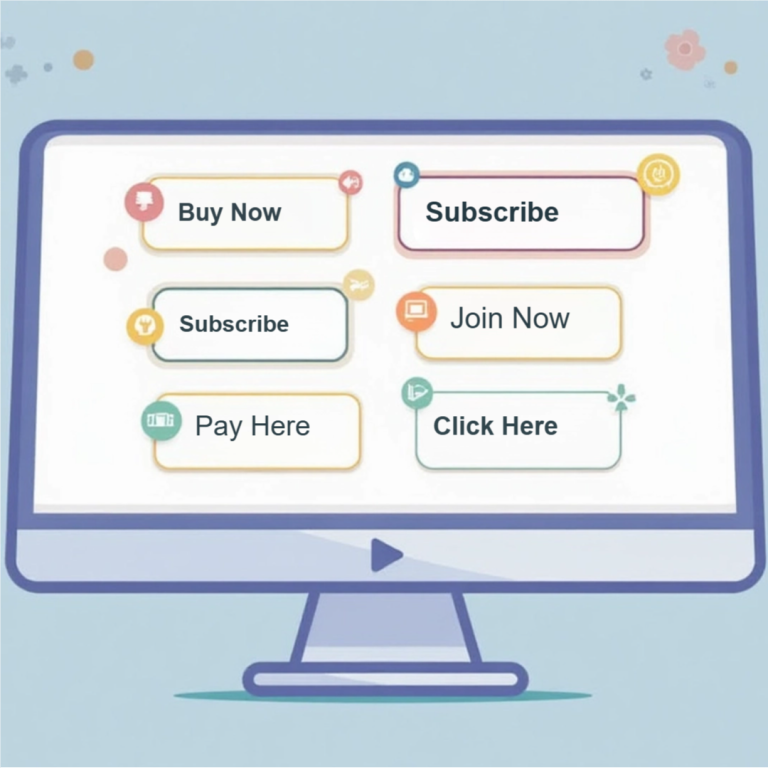
Harnessing the potential of your call-to-action (CTA) can significantly influence your conversion rates. By strategically crafting and positioning CTAs, you guide visitors seamlessly through the buying journey. Think of varying designs, colors, and sizes to capture attention, while ensuring that the chosen language is compelling enough to prompt immediate action. A well-placed and carefully considered CTA can make all the difference in turning a passive visitor into an engaged customer.
Placement and Design
The placement of your CTA is as important as its design. Utilize high-visibility areas, such as the top of the page, above the fold, or strategically within the content. Consider contrasting colors to ensure your CTA stands out against the background, drawing the eye of the visitor. Incorporate shapes and sizes that resonate with your overall design while making sure they create a pathway toward conversion.
Language that Drives Engagement
Your choice of language significantly impacts how visitors perceive your CTAs. Phrases that evoke urgency or exclusivity can create a sense of immediate need. Using action-oriented words conveys confidence and encourages users to take the next step, while personalization can help forge a connection. For instance, “Get Your Free Trial Today” can increase clicks over “Start Your Free Trial.”
Engaging language transforms a simple request into an enticing offer. You might use words like “discover,” “unleash,” or “join” to create excitement around the action you want users to take. Adding specificity enhances clarity, such as mentioning the benefit: “Claim Your 20% Discount Now.” Employing first-person language, like “Start My Free Trial,” shifts focus to the user’s experience. Experimenting with different phrases through A/B testing can pinpoint what resonates most with your audience, tailored effectively to drive conversions.
Leveraging Social Proof
Social proof harnesses the influence of external validation to boost your credibility and encourage conversions. By showcasing evidence of others’ positive experiences with your brand, you create a compelling case for potential customers to trust you. Incorporate social proof elements strategically throughout your website to maximize engagement and increase conversions.
Testimonials and Reviews
User-generated content like testimonials and reviews can significantly impact buying decisions. Highlighting authentic experiences from satisfied customers not only boosts your credibility but also fosters trust among potential buyers. Effective placement of these testimonials can guide users through their purchasing journey, making your offerings more appealing.
Case Studies and Success Stories
Case studies and success stories provide tangible evidence of your product’s efficacy. They highlight real-life examples of how your offerings have solved problems or enhanced lives, thereby demonstrating value. A well-structured case study can persuade potential customers by illustrating measurable success.
- Client A improved conversion rates by 35% after implementing your software solution.
- Client B increased customer retention by 50% through your training program, resulting in higher lifetime value.
- Client C expanded their market share by 25% after integrating your marketing strategies over six months.
- Client D saw a 20% reduction in overhead costs by utilizing your analytics tool.
- Client E grew their email list by 150% after adopting your lead generation tactics for three months.
These examples showcase the impact of your products and services on real customers, giving others confidence to engage with your brand. Utilizing specific metrics and results in your case studies solidifies your authority in the market and can lead to increased conversions.
Utilizing Email Marketing
Email marketing stands as a powerful tool in turning visitors into loyal customers. By delivering tailored content directly to your audience’s inbox, you can nurture relationships and drive conversions. Engaging newsletters, promotional offers, and personalized messages keep your brand top-of-mind while showcasing value that compels recipients to take action. Implement strategic campaigns that resonate with your audience’s needs, and watch your conversion rates rise.
Building an Email List
A robust email list serves as the foundation of your email marketing success. Start by offering incentives such as exclusive discounts, downloadable content, or access to special events in exchange for visitors’ email addresses. Utilize website pop-ups, social media channels, and lead magnets to capture interest and grow your subscriber base. Ensure that your sign-up forms are straightforward, encouraging more users to join your mailing list.
Segmentation and Personalization
Segmentation and personalization transform email marketing from generic blasts to targeted communications. By categorizing your audience based on behaviors, preferences, and demographics, you can craft tailored messages that resonate on a personal level. Studies show that personalized emails have 29% higher open rates and 41% higher click-through rates than their non-personalized counterparts. Leverage data-driven insights to create engaging content that addresses the specific needs of each segment, ultimately driving higher conversion rates.
Effective segmentation involves analyzing customer data to identify meaningful groupings. For instance, segment by purchase history to promote complementary products or create tailored offers for first-time buyers. Personalization can extend to dynamic content within emails that changes based on user behavior, such as including their name, recommending products they viewed, or sending birthday greetings. This level of targeted communication not only enhances the customer experience but also fosters loyalty, making recipients more likely to convert and return for future purchases.
To wrap up
As a reminder, applying effective design strategies can significantly enhance your website’s ability to convert visitors into customers. Focus on creating a user-friendly experience, utilizing clear calls to action, and ensuring your site is optimized for all devices. By understanding your audience’s needs and preferences, you can tailor your design elements to engage and persuade effectively. Consistently testing and refining your approach will lead to improved conversion rates and a stronger connection with your customers.