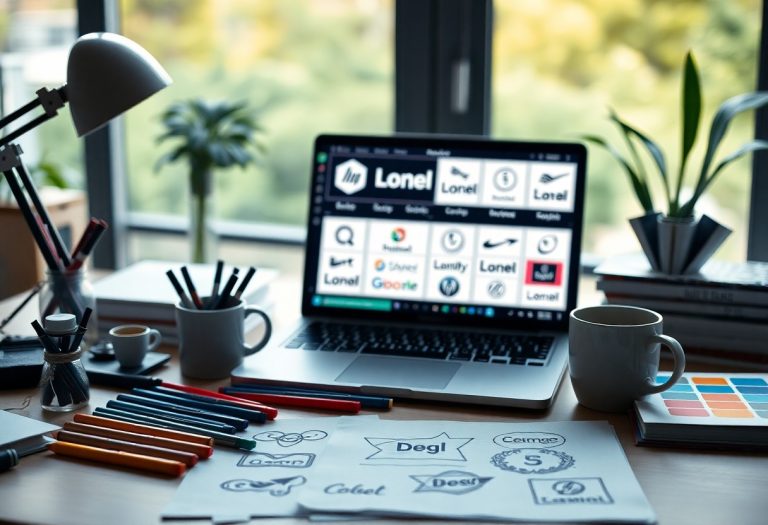

Staying Ahead of the Curve – Predicting Future Design Trends
It’s necessary for you to stay informed about emerging design trends that can shape your strategy and creativity. By understanding the key indicators that influence the future of design, you can make proactive decisions that keep your work relevant and innovative. This post will guide you through effective methods to anticipate changes in design aesthetics, technology, and consumer preferences, enabling you to stay one step ahead in your field.
The Importance of Trend Analysis
Trend analysis enables you to anticipate shifts in consumer behavior, aesthetics, and technology, allowing your design to resonate with current and future needs. By identifying emerging patterns, you can differentiate your work and position yourself as a leader in the industry, ensuring your designs don’t just meet standards but set them.
Historical Context
Every design movement has roots in historical events and cultural shifts. Understanding the past, such as the impact of the Bauhaus in the 1920s or the digital revolution in the early 2000s, helps you recognize how social, political, and technological changes shape design trends. This context provides valuable insight into current preferences and potential futures.
Current Design Trends
Today’s design landscape is dominated by sustainable practices, minimalism, and bold color palettes. Brands increasingly opt for eco-friendly materials while embracing a more organic aesthetic. Additionally, the fusion of digital and physical experiences, like augmented reality applications in design, showcases the innovative directions current trends are taking.
Sustainable design emerged as a response to increasing environmental awareness, with 75% of consumers prioritizing eco-friendly brands. Minimalism continues to influence user interfaces, promoting clarity and functionality, while bold color schemes create memorable interactions. Trends also reflect a growing desire for personalization, where tailored experiences foster deeper connections between users and designs. This blend of sustainability, innovation, and personalization defines the current design landscape and informs future shifts.
Tools for Predicting Design Trends
Utilizing the right tools can significantly enhance your ability to foresee design trends. From analytics software to social media monitoring platforms, the right resources empower you to interpret data and observe consumer preferences. Tailoring your approach with these tools helps you stay competitive and relevant in an ever-evolving market.
Data Analytics
Integrating data analytics into your design process allows you to dissect patterns and correlations within consumer behavior. By leveraging large data sets, you can identify emerging trends and quantify their potential impact on your target audience. This method provides a data-driven foundation for your creative decisions, ensuring they resonate with your audience’s preferences.
Social Media Insights
Social media platforms serve as real-time barometers for consumer interests and cultural shifts. Monitoring hashtags, trends, and engagement levels can reveal what captivates your audience, allowing you to pivot your designs accordingly. Insights derived from social media can guide you to innovate and align your projects with current consumer sentiments and preferences.
For instance, analyzing engagement on platforms like Instagram or TikTok can highlight which designs or aesthetics are gaining popularity. You may discover patterns indicating a shift towards eco-friendly materials or minimalistic styles based on user interactions. This data not only informs your design choices but also helps predict future trends based on the evolving narratives being shared across social media. Keeping a pulse on these conversations can position you ahead of competitors and better resonate with consumers.
Key Influences on Design Trends
Your design approach is heavily influenced by various factors that shape the landscape of creativity. Societal attitudes, technological innovations, and market demands continuously redefine what is considered relevant. Identifying these influences equips you with insights that inform your design strategies and help you stay ahead in a rapidly evolving environment.
Cultural Shifts
Cultural dynamics significantly impact design trends, reflecting societal values and beliefs. You can see this in the rise of sustainability in design, as consumers seek eco-friendly alternatives that resonate with their environmental concerns. Moreover, the influence of global connectivity introduces diverse aesthetics, providing you with a rich tapestry of inspiration.
Technological Advancements
Advancements in technology are redefining how you approach design, offering new tools and methodologies. Innovations like augmented reality (AR), artificial intelligence (AI), and 3D printing are reshaping traditional workflows and expanding creative possibilities. For instance, AI-assisted design platforms enable you to generate prototypes and iterate designs rapidly, shortening development timelines while enhancing creativity.
AI algorithms analyze vast datasets to predict design preferences, allowing you to tailor your work to anticipated trends. Additionally, the integration of virtual and augmented reality gives you immersive platforms for presenting concepts to clients, enhancing understanding and engagement. As 3D printing becomes more accessible, you gain the ability to create complex structures that were previously unfeasible, empowering you to push design boundaries. Staying informed about these technological advancements will enable you to leverage them effectively, creating innovative work that resonates with contemporary audiences.
Sustainable Design Trends
Sustainable design trends reflect a growing commitment to environmental stewardship within the design community. As you explore future possibilities, focus on incorporating eco-friendly practices that reduce waste and carbon footprints, enhance energy efficiency, and foster biodiversity. Innovations in sustainable methodologies and technologies will increasingly dictate consumer preferences, making them important to your design decisions.
Eco-Friendly Materials
Utilizing eco-friendly materials in your designs can significantly reduce environmental impact while resonating with eco-conscious consumers. Options like bamboo, recycled metals, and biodegradable plastics not only support sustainability but also offer unique aesthetic qualities. Incorporating these materials can enhance your project’s marketability and align with the increasing demand for sustainable solutions.
Conscious Consumerism
Conscious consumerism is transforming market dynamics, with today’s consumers prioritizing ethical choices in their purchasing decisions. This shift underscores a desire for transparency, sustainability, and social responsibility. As you design, consider how your choices affect not only aesthetics but also ethical implications, such as fair labor practices and environmental sustainability.
As consumer awareness grows, businesses are responding by aligning their brands with ethical values. A Nielsen report indicates that 73% of millennials are willing to pay more for sustainable goods. By tapping into this trend, you can create designs that not only meet market demands but also forge deeper connections with your audience. Highlighting your commitment to sustainable practices can differentiate your work and enhance brand loyalty among environmentally conscious consumers.
The Role of Designers in Shaping Trends
Your role as a designer extends beyond aesthetics; you’re a trendsetter influencing the broader culture. By understanding societal shifts and technological advancements, you help define what resonates with audiences. Your ability to anticipate and respond to these changes allows you to create designs that not only meet current needs but also pave the way for future innovations.
Innovation and Creativity
Collaboration with Other Disciplines
Conclusion
As a reminder, staying ahead of the curve in predicting future design trends requires you to actively engage with emerging technologies, cultural shifts, and audience preferences. By continually researching and adapting your design strategies, you enhance your ability to innovate and provide relevant solutions. This proactive approach not only positions you as an authority in your field but also ensures your work remains impactful and resonates with your audience. Adaptability and foresight will empower you to shape the future of design effectively.