The Blogger’s Guide to Getting a Professional Logo That Reflects Your Brand
There’s no denying that a professional logo is vital for establishing your brand identity as a blogger. Your logo is often the first impression potential readers have of your content, making it vital that it accurately reflects your style and personality. In this guide, you will learn how to create or choose a logo that resonates with your audience and enhances your brand image, setting you up for success in a competitive blogging landscape.
Understanding Logo Types
Logos come in various types, each serving a unique purpose and conveying different messages about your brand. Understanding these types helps you choose one that aligns with your identity and objectives. Here’s a breakdown:
| Type | Description |
| Wordmark | Focuses on the business name in a stylized font. |
| Lettermark | Uses initials or acronyms for the brand. |
| Iconic/Symbolic | Relies on a distinct symbol or icon. |
| Combination | Merges both text and symbol for versatility. |
| Emblem | Encloses text within a symbol or shape. |
- Wordmarks are memorable and straightforward.
- Lettermarks work well for lengthy brand names.
- Iconic logos create strong visual associations.
- Combination logos provide flexibility in usage.
- Emblems often convey tradition and authenticity.
Perceiving the diverse categories simplifies the selection process, steering you toward a logo that resonates with your audience.
Different Styles of Logos
Each logo style possesses its own personality traits, influencing how your brand is perceived. For example, wordmarks evoke a modern and clean feel, while emblems suggest a classic and established aura. Depending on your target audience, the right style can significantly affect brand recognition and loyalty. Analyzing competitors and your brand’s core values can help guide your decision.
Choosing the Right Type for Your Brand
Selecting the appropriate logo type is important for communicating your brand message effectively. Consider your industry, audience preferences, and the emotions you wish to evoke. A tech startup may lean towards a sleek wordmark, while a craft brewery might opt for an emblem that conveys tradition. Assessing these factors narrows your options, making it easier to zero in on a logo design that aligns with your goals.
When you choose the right type for your brand, you create an immediate connection with your target market. For instance, iconic logos can make a lasting impression if your aims are to evoke strong visual recognition, while combination logos provide versatility across various platforms. Analyze your competitors and gather feedback to refine your choices further, ensuring your logo not only captures attention but also reflects your brand’s ethos authentically.
Essential Tips for a Professional Logo
Creating a professional logo that encapsulates your brand’s essence requires careful consideration. Focus on conveying your brand’s message and values through design elements that resonate with your target audience. Follow these tips for an effective logo:
- Keep it simple; avoid complex details.
- Ensure it’s versatile across different media.
- Opt for timeless designs rather than trends.
- Invest in high-quality software or professional designers.
Thou must consider each aspect thoughtfully.
Importance of Simplicity
A simple logo is more memorable and versatile, allowing it to be easily recognized across various platforms. Complex logos may lose impact when scaled down or viewed in black and white. Aim for a clean design that conveys your brand’s identity without overwhelming potential customers.
Color Theory and Branding
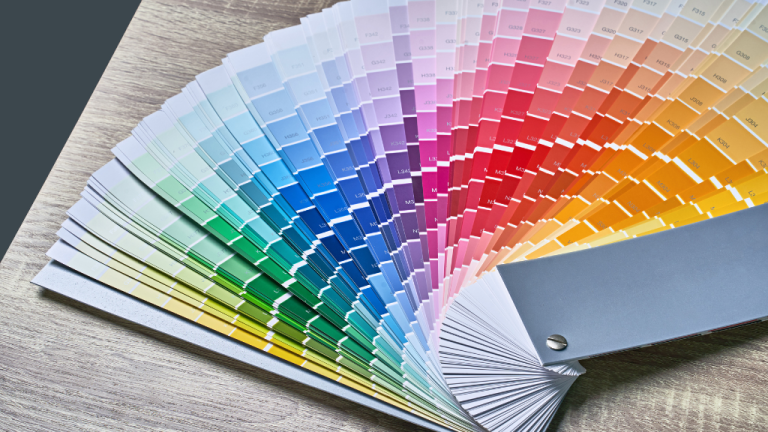
Your logo’s color palette plays a significant role in how your brand is perceived. Different colors evoke specific emotions and associations, influencing consumer behavior. For instance, blue often conveys trust and professionalism, while red can evoke excitement and energy. Understanding the psychology behind colors can help you select hues that align with your brand’s message and values.
Incorporating color theory effectively enhances your brand recognition. For example, the iconic Tiffany blue signifies luxury and exclusivity, while Starbucks’ green represents growth and freshness. Studies show that people make subconscious judgments about a person, environment, or product within seconds, so the right colors can significantly impact your brand’s first impression. Selecting a palette that resonates with your audience can create a powerful visual identity that endures over time.
Step-by-Step Logo Design Process
| Research and Brainstorming | Start by diving deep into your brand’s identity, values, and target audience. Gather inspiration from competitors and trends in your industry. Create a mood board with colors, fonts, and images that resonate with your vision. This foundational work will guide your design process and ensure that your logo aligns with your overall brand strategy. |
| Sketching and Prototyping | Once you have a solid research base, begin translating your ideas into visuals. Sketch multiple concepts, focusing on various shapes and compositions. Don’t hold back; generate a range of options, whether rough or polished. This phase allows creativity to flow, revealing strong design directions while helping you identify which concepts warrant further development. |
Research and Brainstorming
Thorough research and brainstorming set the stage for an effective logo design. Explore your brand’s mission, values, and audience preferences to ensure that your logo reflects what you stand for. Analyze competitors’ logos to identify gaps and opportunities for differentiation. This stage is about gathering insights and inspiration that will inform your design direction.
Sketching and Prototyping
Sketching and prototyping enable you to visualize your ideas. Utilize simple tools, like pen and paper, to capture your concepts quickly. Aim for quantity over quality in your initial sketches; the focus should be on exploring possibilities. Transition your best sketches into digital prototypes using design software, allowing for further refinement and feedback.
In this phase, iterate through various design elements, such as typography and color schemes. Combine different ideas to see how they interact visually. Don’t hesitate to revisit earlier sketches if new insights emerge. Feedback from peers or potential customers can also be invaluable, providing you with fresh perspectives that can enhance your design before finalizing it.
Key Factors to Consider
When designing your logo, several key factors significantly influence the outcome. Your logo should not only represent your brand aesthetically but also convey its core values and message. Pay attention to color psychology, typography, and imagery as these elements embody your brand’s identity. Additionally, evaluate these aspects:
- Brand identity and core values
- Color psychology and symbolism
- Typography and font selection
- Imagery and symbols used
- Target audience and competitor analysis
Any hesitation in considering these factors could lead to a logo that misrepresents your brand.
Target Audience and Market Trends
Understanding your target audience is fundamental to creating a resonant logo. Research demographics, preferences, and behaviors to ensure your logo attracts and engages the right people. Stay informed about current market trends, as they can influence aesthetic choices and ensure your logo remains relevant within your industry.
Versatility and Scalability
Your logo should function well across various mediums and sizes, from website headers to social media profiles and print materials. A versatile logo retains clarity and impact, whether viewed on a business card or a billboard, making it crucial to create a design that scales effectively without losing detail or recognition.
Versatility and scalability are critical in today’s multi-platform landscape. A successful logo adapts seamlessly to different formats—think simple and recognizable shapes that maintain integrity at both small and large scales. Many brands, like Apple and Nike, have logos that remain identifiable whether on a website or merchandise. Design your logo with considerations for digital formats, printing techniques, and even embroidery. This adaptability ensures longevity in a rapidly changing marketplace and a consistent brand identity across all channels.
Pros and Cons of Investing in a Professional Logo
| Pros | Cons |
|---|---|
| Enhances brand recognition | Can be expensive, depending on the designer |
| Establishes credibility | Time-consuming design process |
| Attracts target audience | May require revisions and adjustments |
| Offers a professional appearance | May not guarantee immediate success |
| Provides unique identity | Ongoing maintenance needed if your brand evolves |
| Facilitates marketing efforts | Pitfalls of choosing the wrong designer |
| Increases perceived value | Logos require updates over time |
| Support for merchandise and branding | Stress in decision-making during design phase |
Benefits of a Professional Design
A professional logo design elevates your brand’s visual identity, ensuring that it effectively communicates your values and mission. It helps you stand out in a crowded market, capturing the attention of potential customers. A well-crafted logo can transmit professionalism and build trust, creating a sense of reliability among clients. Moreover, it can be adapted for various platforms and marketing materials, making it versatile and functional across your branding efforts.
Potential Drawbacks and Costs
Investing in a professional logo may require a significant budget, especially if you opt for highly skilled designers or firms. This initial cost can be a barrier for startups or bloggers with limited funds. Additionally, the design process might take longer than anticipated, resulting in investment of both time and money. Revisions may be necessary to achieve the perfect final product, adding more to your costs and timeline.
It’s important to weigh the potential drawbacks carefully. If you decide to work with a top-tier designer, fees can range from hundreds to thousands of dollars, depending on their expertise and the complexity of your desired logo. Additionally, if the design doesn’t resonate with your target audience or misrepresents your brand, the financial investment might feel wasted. Ensuring you have a clear vision and strategy before venturing into the process will help mitigate these risks, leading to a logo that pays dividends in the long run.
Common Mistakes to Avoid
As you navigate the logo design process, sidestepping common pitfalls can save you time and frustration. Many bloggers underestimate the importance of aligning the logo with their overall brand strategy, leading to designs that conflict with their messaging. Others may rush the design phase, settling for a version that doesn’t truly resonate with their audience. By avoiding these mistakes, you can ensure your logo effectively represents your identity and values.
Oversimplifying Your Vision
Avoid the trap of oversimplifying your vision when it comes to your logo. While a clean design is crucial, stripping away key elements can dilute your brand’s story. Your logo should encapsulate the essence of your vision, incorporating meaningful symbols or colors that reflect your values and mission, rather than just opting for minimalism.
Ignoring Feedback and Iteration
Ignoring feedback and iteration during the design process often leads to missed opportunities for refinement. Engaging colleagues or your target audience in the design review can uncover insights you may have overlooked. Their perspectives can guide adjustments that enhance clarity and memorability while ensuring your logo resonates with your intended market.
Feedback is not just a suggestion; it’s a vital component in crafting a successful logo. After presenting initial designs, solicit input from trusted sources or focus groups that represent your audience. Based on their observations, make iterative changes that address concerns and preferences. This approach can reveal crucial adjustments, such as color tweaks or font changes, that significantly enhance your logo’s impact. Consider implementing multiple rounds of feedback to hone in on a design that is not only visually appealing but also effectively communicates your brand identity.
Final Words
From above, you’ve learned that a professional logo is necessary for establishing your brand identity. By understanding your brand’s core values, exploring design options, and collaborating with skilled designers, you can create a logo that resonates with your audience. Focus on simplicity, versatility, and uniqueness to ensure your logo stands out across platforms. Investing time and effort into the logo design process will pay off, as it serves as the cornerstone of your brand’s visual representation and leaves a lasting impression on your audience.