
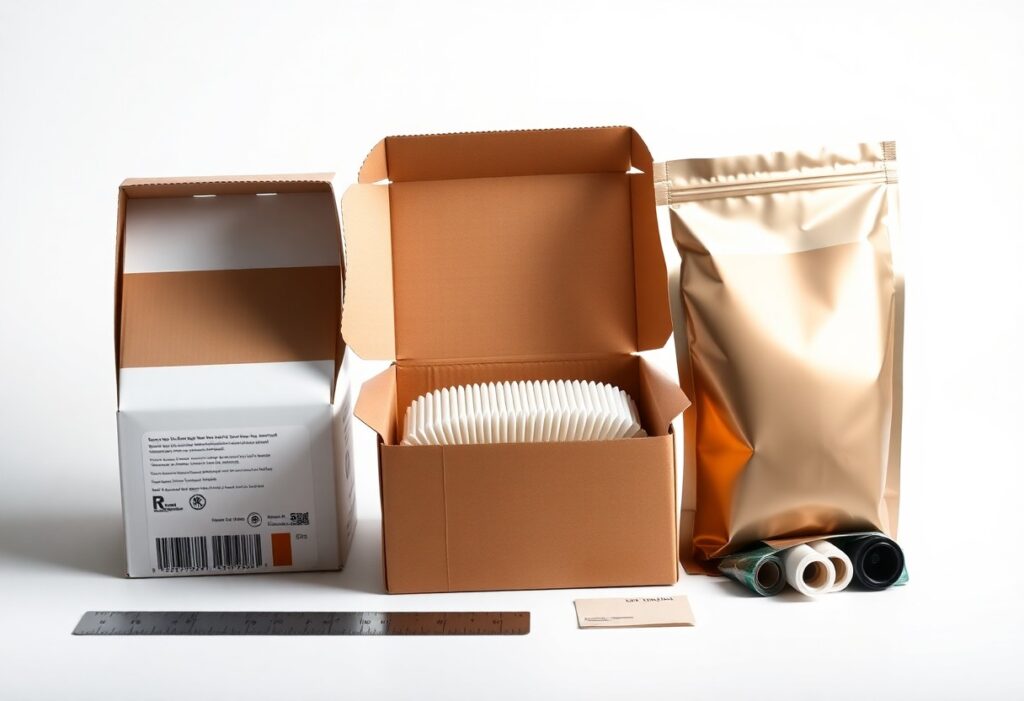
Cartons, boxes, and flexible wraps each serve distinct roles in packaging. You use folding cartons for retail-ready presentation, corrugated boxes for durable shipping, and flexible packaging for lightweight, resealable solutions. Your choice impacts cost, protection, shelf appeal, and sustainability. Understanding their differences helps you select the right option for your product’s needs.
The Fluted Bone
Structure and Strength
Fluted layers define the core of corrugated boxes, giving them resilience under pressure. You’ve likely relied on this strength when shipping heavy or fragile items, trusting the arched waveform between liners to absorb shocks and resist crushing. Unlike folding cartons or flexible packaging, this engineered fluting provides unmatched stacking strength, making it ideal for long supply chains.
Performance in Real Conditions
Exposure to moisture or rough handling tests packaging daily. Corrugated boxes, especially with treated liners, hold up better than most alternatives when damp or dropped. You need this durability when product protection can’t be compromised. While folding cartons offer print appeal and flexible packaging saves space, neither matches the fluted bone’s rugged reliability in transit.
The Plastic Shield
Plastic films in flexible packaging act as your first line of defense against moisture, oxygen, and contaminants. You rely on this barrier to preserve product freshness and extend shelf life, especially for food and pharmaceuticals. Unlike folding cartons or corrugated boxes, these materials conform tightly to contents, reducing void space and improving protection during transit.
Each layer in a laminated structure serves a purpose-you benefit from clarity, strength, and seal integrity in one lightweight solution. While sustainability concerns exist, advances in recyclable and compostable films are reshaping how you approach plastic-based protection in modern packaging systems.
The Price of Choice
Cost Considerations
You weigh material expenses every time you select a packaging format. Folding cartons often offer lower material costs and efficient printing, making them economical for high-volume retail products. Corrugated boxes, while sturdier, require more raw material and add shipping weight, increasing overall cost. Flexible packaging uses less material and reduces freight expenses due to its lightweight nature, but specialized equipment for filling and sealing can raise initial investment.
Long-Term Value
Your choice impacts more than upfront pricing-it affects shelf life, customer experience, and sustainability goals. Flexible packaging extends product freshness, reducing waste and boosting value over time. Corrugated boxes provide unmatched protection for shipping, minimizing damage claims. Folding cartons strike a balance, offering branding appeal and moderate protection at a predictable price point. Your decision shapes both budget and brand perception.
The Earth’s Tax
Every package you choose carries an environmental cost, often paid in carbon emissions, resource depletion, and waste. Folding cartons, made from paperboard, typically break down faster and use less energy to produce, giving them a lighter footprint when sourced responsibly. Your selection influences deforestation rates and landfill volume.
Corrugated boxes offer durability but demand more raw material and energy to manufacture. Flexible packaging, while lightweight and efficient in transport, often ends up polluting ecosystems due to low recyclability. You hold the power to reduce long-term environmental harm through informed material choices.
The Market’s Need
Consumer demand drives packaging innovation more than any other force. You see it every day-in faster shipping, cleaner shelf displays, and eco-conscious choices. Folding cartons meet the need for lightweight, printable solutions ideal for retail environments where appearance matters. Corrugated boxes answer the call for durability in shipping and handling, especially as e-commerce grows. Your customers expect both protection and presentation, and these formats deliver in different ways.
Flexible packaging has risen sharply because it aligns with modern lifestyles. You’re responding to needs for resealable, lightweight, and space-efficient options that reduce material use and shipping costs. It’s especially effective for food, pharmaceuticals, and single-serve products. As sustainability pressures increase, you’re also turning to thinner, recyclable films that maintain performance. Each format serves a distinct role in meeting what the market wants today.
Final Words
As a reminder, folding cartons offer lightweight convenience for retail-ready packaging, while corrugated boxes deliver durability for shipping and heavy-duty protection. You see clear differences in strength, cost, and application across these formats, with flexible packaging standing out for its portability and material efficiency. Your choice depends on product type, distribution needs, and sustainability goals. Each solution serves distinct purposes, and understanding their performance ensures you select the right packaging for your specific requirements.