
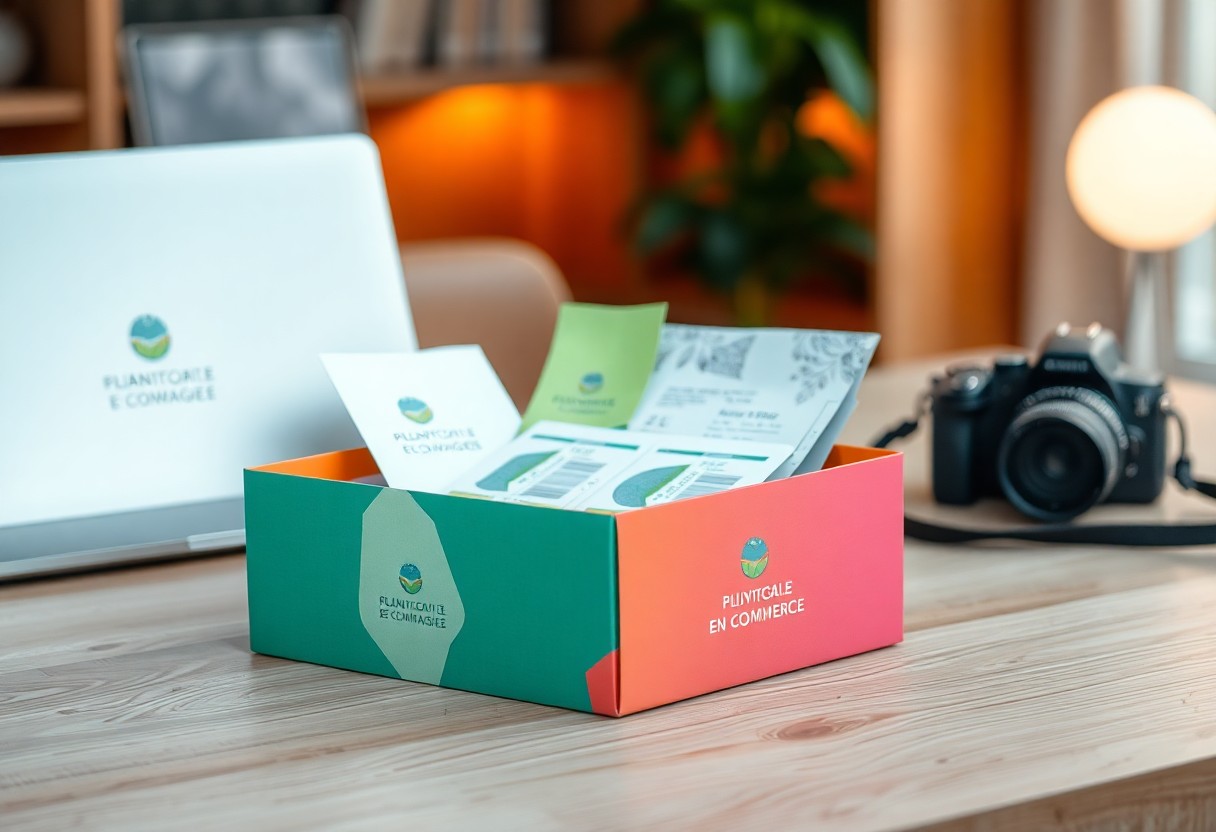
Designing Memorable Packaging for E-commerce Success
Just as your product is important, so is the packaging that encases it. Well-designed packaging not only protects your items but also enhances your brand’s image and customer experience. As you navigate the competitive e-commerce landscape, effective packaging can set you apart, drawing customers in while ensuring they receive their orders intact. This guide will equip you with crucial strategies to create packaging that leaves a lasting impression and drives sales.
Understanding the Importance of Packaging in E-commerce
Effective packaging goes beyond mere aesthetics; it plays a pivotal role in shaping customer experience, influencing purchasing decisions, and driving repeat business. In an online marketplace where customers cannot physically touch or try products, your packaging becomes the first tangible interaction they have with your brand. Smart packaging can enhance the unboxing experience, evoke emotions, and create lasting impressions that encourage word-of-mouth marketing and brand loyalty.
First Impressions Matter
Your packaging is often the first point of contact that customers have with your brand. A visually appealing package immediately attracts attention and sets the tone for the product inside. Studies show that 72% of consumers say packaging design influences their purchase decisions. Investing time and resources into eye-catching designs not only helps create a positive first impression but can also be the difference between a one-time buyer and a loyal customer.
Brand Identity and Recognition
Packaging acts as a visual extension of your brand identity, reinforcing your message and values. Consistent use of colors, fonts, and logos helps customers recognize your products instantly. This recognition fosters trust and familiarity, important elements in building a loyal customer base. Research indicates that brands with cohesive packaging designs see a 33% increase in customer retention, emphasizing the importance of a harmonious brand presentation.
Your packaging should tell your brand’s story through design elements that resonate with your target audience. Iconic brands like Apple and Coca-Cola use consistent color schemes and fonts, allowing consumers to identify their products easily. Consider incorporating storytelling elements into your packaging as well, whether through unique shapes or thoughtful messaging. Every detail, from materials chosen to the shapes used, contributes to how your brand is perceived, making brand identity through packaging an important strategy for long-term e-commerce success.
Key Elements of Effective Packaging Design
Effective packaging design combines visual appeal with practical functionality to leave a lasting impression. Your choice of colors, typography, and imagery can evoke emotions and enhance brand recognition. Additionally, incorporating unique structural elements can differentiate your product on crowded shelves and online marketplaces. Every aspect should reflect your brand’s identity while appealing to your target audience, ensuring your packaging stands out and resonates with consumers.
Materials and Sustainability
Choosing the right materials for your packaging impacts both durability and environmental responsibility. Opting for sustainable materials not only reduces your carbon footprint but also aligns with the values of eco-conscious consumers. Biodegradable, recyclable, or compostable options enhance your brand’s appeal and demonstrate a commitment to sustainability, a factor increasingly influencing purchasing decisions in today’s market.
Functionality and Protection
Well-designed packaging serves as a reliable safeguard for your products during transit and storage. Ensuring that your packaging provides adequate protection against damage, moisture, and contamination is crucial for maintaining product integrity. The right packaging materials and design techniques, such as cushioning, tamper-proof seals, and moisture barriers, can significantly reduce return rates and enhance customer satisfaction. Consider the entire shipping process—your packaging should withstand various handling conditions and arrive intact, making a strong impression on the customer from the moment they unbox their purchase.
Visual Design Principles
Visual design principles shape the overall effectiveness of your packaging in conveying brand identity and attracting customers. Elements such as color, typography, and layout play vital roles in storytelling and enhancing user experience. By leveraging these principles, you can create packaging that not only protects the product but also captivates and engages your audience, driving sales and fostering brand loyalty.
Color Psychology in Packaging
Your choice of colors dramatically influences consumer perception and purchasing behavior. For instance, warm colors like red and orange evoke feelings of excitement and urgency, while blues and greens promote calmness and trust. Brands often adopt color schemes that align with their values; for example, organic products frequently use earthy tones to signify sustainability. Identifying your target audience’s emotional triggers can lead to packaging that resonates deeply and enhances your brand’s appeal.
Typography and Layout
Typography and layout serve as the visual language of your packaging, helping to communicate your brand’s message effectively. A clean, readable font can instill confidence in your product, while bold typefaces may convey strength or innovation. The layout should guide the consumer’s eye through the information, prioritizing key details such as your logo, product name, and necessary features. Using a hierarchical structure not only improves readability but also enhances the overall aesthetic and functionality of your packaging.
Consider that different font styles and sizes can create distinct impressions. For example, serif fonts often evoke tradition and reliability, making them fitting for luxury goods, whereas sans-serif fonts convey modernity and efficiency, ideal for tech products. Balancing typography with visual elements, such as images and icons, leads to greater comprehension. A thoughtful layout that maximizes white space can prevent clutter and keep the focus on your product, ensuring that the necessary information is not overlooked. Integrating these principles cohesively will strengthen your product’s visual identity and market presence.
Enhancing Customer Experience through Packaging
Effective packaging goes beyond mere aesthetics; it significantly contributes to the overall customer experience. Thoughtfully designed packaging not only protects your product but also creates an emotional connection with your brand. By blending functionality with engaging visuals, you ensure that customers feel valued from the moment they receive their order. This approach can manifest in various ways, including how your packaging communicates product information and reflects your brand values, all crucial in turning first-time buyers into loyal customers.
Unboxing Experience
The unboxing experience has become a key moment for consumers, where anticipation turns into satisfaction. Including unique elements, like branded tissue paper or handwritten thank-you notes, can enhance this experience. Studies show that 72% of customers share unboxing experiences on social media, allowing you to tap into organic marketing potential. Elevating this moment with attention to detail can transform a simple delivery into a delightful ritual, fostering customer loyalty and encouraging repeat purchases.
Personalization and Customization
Personalization adds a layer of connection between you and your customer. Tailoring packaging according to individual preferences—be it through unique colors, styles, or even customized messages—allows customers to feel a part of your brand journey. This strategy can greatly enhance customer satisfaction and increase the likelihood of referrals, as 78% of consumers are more likely to make repeat purchases from brands that personalize their experiences.
Integrating personalized packaging options can significantly amplify customer engagement. By leveraging data analytics, you can customize elements like packaging design, including the recipient’s name or a personalized message. Further, options that allow customers to choose their packaging style or add a personal touch, such as custom labels, can create an emotional connection. Brands like Nike and Coca-Cola have successfully implemented this, with tailored packaging leading to a memorable customer experience. Such strategies not only enhance perceived value but encourage social sharing, magnifying your reach via word-of-mouth marketing.
Packaging Innovations in E-commerce
Innovative packaging is reshaping the e-commerce landscape, driving consumer engagement and boosting brand loyalty. New materials, design techniques, and technology are key to creating packaging that not only protects products but also enhances the unboxing experience. Brands that leverage unique packaging solutions, such as biodegradable materials or multifunctional designs, stand out in a crowded market, appealing to environmentally conscious consumers and those seeking memorable experiences.
Technology Integration
Integrating technology into packaging offers exciting opportunities for enhancing customer interaction. From QR codes that provide additional product information to augmented reality features that create immersive experiences, technological advancements transform the packaging into a dynamic marketing tool. This integration not only adds value for your customers but also provides valuable data on engagement and customer behavior.
Interactive Packaging Concepts
Interactive packaging concepts invite consumers to engage actively with the product. Techniques such as gamification, where packaging includes challenges or rewards, have shown to increase customer satisfaction and brand recall. Consider brands like Coca-Cola, which has successfully used interactive elements in their packaging to create buzz and foster a connection between the consumer and the product.
These concepts can extend beyond unique designs and features. Implementing sensory elements, such as textures or scents, enhances the tactile experience and can provoke emotional responses, leading to stronger brand loyalty. For instance, a skincare brand might incorporate a scent-infused box that aligns with the product’s fragrance. Such immersive touches not only attract attention but also encourage sharing on social media, amplifying brand presence and reinforcing customer relationships. By prioritizing interaction, you create a lasting impression that can boost repeat purchases and referrals.
Case Studies of Successful E-commerce Packaging
Analyzing successful e-commerce packaging provides valuable insights into effective strategies and innovations. By examining these case studies, you can learn how packaging not only protects products but also enhances brand recognition and customer satisfaction.
- Brand A: Increased unboxing videos by 300%, leading to a 20% sales boost within three months.
- Brand B: Implemented eco-friendly packaging, reducing waste by 40% and enhancing customer loyalty.
- Brand C: Customized packaging design resulted in a 50% increase in repeat purchases.
- Brand D: Leveraged AR technology in packaging, increasing engagement rates by 150%.
Brand A: Unique Approaches
Brand A’s innovative use of bold colors and playful graphics transformed the unboxing experience. Their packaging not only protects the product but also serves as a marketing tool, sparking joy and encouraging customers to share their experiences on social media.
Brand B: Lessons Learned
Brand B’s commitment to sustainability in packaging garnered positive feedback from environmentally conscious consumers. By switching to biodegradable materials, they not only reduced their carbon footprint but also strengthened their brand image and customer retention.
Brand B saw a direct link between their eco-friendly initiatives and consumer behavior, as surveys indicated that 70% of customers preferred brands with sustainable practices. This shift led to increased customer loyalty, with repeat purchases rising by 25% within the first year. Their transparent communication about materials and processes resonated well with the audience, solidifying their market position.
Conclusion
Considering all points, effective packaging design is crucial for your e-commerce success. It not only protects your products but also enhances brand loyalty and recognition. By focusing on elements like visual appeal, functionality, and sustainability, you can create a memorable unboxing experience that resonates with your customers. Investing time and resources into your packaging strategy will ultimately lead to increased sales and customer satisfaction, setting your brand apart in a competitive marketplace.