Mastering the Art of Minimalism in Website Design
You can transform your website into a sleek and effective platform by mastering the art of minimalism in design. This approach emphasizes simplicity, prioritizing important elements that enhance user experience while eliminating distractions. By focusing on clean layouts, ample white space, and a limited color palette, you create an inviting atmosphere that guides visitors effortlessly through your content. Embrace minimalism to improve load times, accessibility, and engagement, ultimately leading to higher conversion rates and a more polished online presence.
Understanding Minimalism in Design
Definition of Minimalism
Minimalism in design emphasizes simplicity, stripping away unnecessary elements to focus on what truly matters. You achieve clarity and functionality by utilizing clean lines, open spaces, and a limited color palette. This approach not only enhances user experience but also allows your content to stand out, guiding the viewer’s attention effectively.
Historical Context and Evolution
Emerging in the mid-20th century, minimalism was originally a reaction against the complexity of preceding art movements. Artists and designers sought to express ideas with fewer elements, leading to the development of a distinct aesthetic that influenced architecture, graphic design, and product design. Over decades, this philosophy has evolved and permeated various fields, including digital design, where user-centric functionality reigns supreme.
The roots of minimalism trace back to artists like Kazimir Malevich and Piet Mondrian, whose works stripped art to its fundamental forms. In the 1960s and 1970s, the movement transformed into a cultural staple across various domains, such as architecture with the works of Mies van der Rohe and Tadao Ando. By the late 1990s and early 2000s, the digital space recognized minimalism’s potential, as websites began prioritizing user experience over clutter. This evolution continues today, as you can observe minimalism’s influence on major platforms like Google and Apple, where simplicity enhances functionality and aesthetic appeal.
Principles of Minimalist Web Design
Minimalist web design revolves around core principles that prioritize user experience and aesthetic appeal. By focusing on simplicity, clarity, and functionality, you create an online space that effectively communicates your message while avoiding visual clutter. Implementing these important principles will lead to a more engaging and user-friendly website that resonates with your audience.
Simplicity and Clarity
Simplicity and clarity form the foundation of minimalist design. Each element on your webpage should serve a specific purpose, allowing users to navigate intuitively. By avoiding complex layouts and excessive text, you enhance readability and reduce cognitive load, ensuring that your visitors can focus on what matters most—your content.
Focus on Functionality
Focusing on functionality means designing with purpose. Every feature on your site should enhance the user experience rather than detract from it. For example, streamlined navigation bars, strategic calls-to-action, and fast loading times contribute to a seamless interaction with your site. Prioritize elements that facilitate user goals, such as finding information quickly or completing transactions effortlessly.
Effective functionality can significantly impact user retention and conversion rates. Research found that websites with streamlined navigational structures see a 50% increase in user satisfaction. Tools like minimalist forms improve user engagement, as fewer fields mean higher completion rates. By ensuring that every feature works cohesively, you create a robust platform where visitors feel empowered to interact and convert without unnecessary distractions.
Visual Elements in Minimalism
Effective minimalism in web design hinges on visual elements that enhance clarity and user experience. You should prioritize simplicity, using a limited number of colors, fonts, and images to create an impactful visual hierarchy. By focusing on important elements, you can guide users effortlessly through your content, ensuring their attention remains on what truly matters.
Color Palettes and Typography
Your choice of color palettes and typography can profoundly influence website perception. Opt for a restrained color scheme, often just two or three shades, to convey professionalism and harmony. Pair it with clean, legible fonts that reflect your brand’s identity while ensuring readability across devices. Consistency in these elements cultivates a seamless user experience.
Image Use and White Space
In minimalistic design, every image should serve a distinct purpose to minimize distraction. Utilizing white space effectively creates breathing room around your images and text, allowing users to focus on content without feeling overwhelmed. This approach not only highlights important elements but also enhances overall aesthetic appeal.
Strategically selected images that align with your message help reinforce key points without cluttering the layout. For instance, using high-quality visuals in moderation can draw attention to featured services or products, while ample white space around them allows for an uncluttered viewing experience. Aim for an 80/20 balance between content and white space to ensure optimal user engagement and clarity in your design. When users encounter a clean layout with intentional imagery, they are more likely to absorb the importants and navigate your site with ease.
User Experience and Navigation
User experience plays a pivotal role in website design, directly impacting engagement and conversions. Streamlined navigation is imperative, guiding users seamlessly through your site while eliminating confusion and frustration. A well-structured layout ensures that visitors quickly find what they’re looking for, thereby enhancing satisfaction and retention rates.
Streamlined Navigation
Simplifying navigation is fundamental to creating a user-friendly website. Limit menu items to a few key categories, providing clear labels that accurately represent the content. Implementing a sticky menu or breadcrumb trails can further assist users in orienting themselves as they browse your pages.
Prioritizing User Engagement
Fostering user engagement means crafting intuitive pathways throughout your site. Integrate engaging elements like call-to-action buttons, well-placed search bars, and relevant links within your content. By analyzing user behavior through heatmaps and analytics, you can identify high-traffic areas and optimize them for maximum interaction.
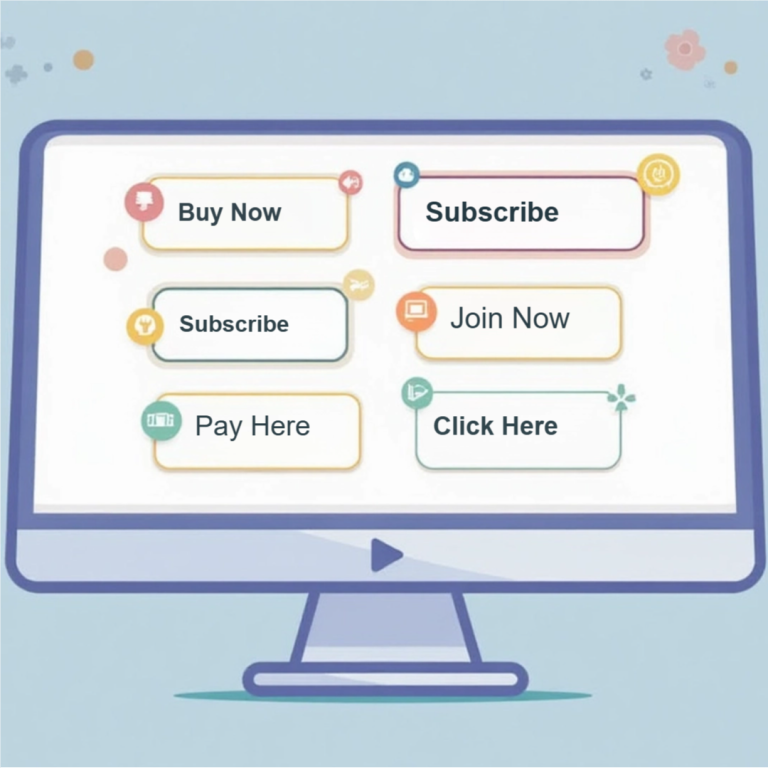
For instance, incorporating large, visually appealing buttons can increase the click-through rate by up to 25%. Engaging users with personalized content or recommendations based on their browsing history enhances their experience and encourages them to stay longer. Use these insights to create targeted campaigns that drive user interaction, ultimately leading to higher conversion rates and increased loyalty. Striving to understand your audience’s journey will inform your design decisions, ensuring you prioritize what truly matters for their engagement and satisfaction.
Tools and Techniques for Minimalist Design
Embracing minimalist design requires leveraging effective tools and techniques that streamline your workflow and enhance clarity. From design frameworks that provide cohesive structures to prototyping tools that test ideas quickly, each element contributes to a cleaner, more focused website. Selecting the right resources can significantly influence how your design translates into user-friendly interfaces, ultimately elevating the user experience without unnecessary clutter.
Design Frameworks and Tools
Utilizing design frameworks such as Bootstrap or Foundation can simplify the development process while maintaining a minimalist aesthetic. These frameworks allow you to create responsive layouts quickly, ensuring that visual elements are neatly organized and easily navigable. Additionally, tools like Figma or Adobe XD enable you to craft and maintain a streamlined approach, promoting consistency across your designs without overwhelming the user.
Prototyping and Testing
Prototyping your designs allows you to test functionality and user flows before full implementation. Tools like InVision or Sketch facilitate the creation of interactive prototypes, enabling you to gather feedback from users early on. This iterative process of testing and refinement helps clarify which elements enhance the minimalist look and which may detract from it.
Prototyping is an crucial step in the minimalist design process, as it provides valuable insights into user interactions. Incorporating usability testing sessions reveals how your audience navigates your design, allowing you to identify parts that may need simplification or adjustment. High-fidelity prototypes can simulate real user experiences, making it easier to eliminate excessive features while honing in on the core functionalities that resonate with your users. This approach ultimately leads to a refined product that prioritizes user experience and clarity, aligning with minimalist design principles.
Case Studies of Successful Minimalist Websites
Analyzing successful minimalist websites reveals effective strategies that prioritize user experience and streamline content. These case studies illustrate the tangible benefits of minimalist design, not only in aesthetics but also in engagement and conversion rates.
- Dropbox: Streamlined onboarding led to a 10% increase in user registrations.
- Apple: Clean design resulted in a 20% boost in online sales for their product pages.
- Airbnb: Simplified search functions increased booking conversions by 15% in three months.
- Medium: Minimalistic layout led to a 50% reduction in bounce rates.
- Google: Homepage simplicity resulted in 30% faster load times, enhancing user satisfaction.
Analysis of Leading Brands
Leading brands exemplify how minimalist design can enhance functionality while appealing to users visually. By stripping away unnecessary elements, these brands direct focus toward key features and provide intuitive navigation that fosters a seamless user experience.
Lessons Learned from Minimalist Approaches
Minimalist approaches in web design teach you the value of clarity and purpose, emphasizing imperative elements and reducing clutter. This not only improves usability but can also increase user retention as visitors are less overwhelmed and more engaged.
Drawing from these lessons, consider prioritizing imperative content that adds value and resonates with users. Highlighting functionality over form will lead to greater user satisfaction. Test variations to uncover what resonates most—simple adjustments can yield significant results in user engagement and conversion rates. Embrace whitespace effectively to guide users naturally through your site, reinforcing that less truly can be more in the digital landscape.
Final Words
To wrap up, mastering the art of minimalism in website design empowers you to create a more effective and engaging user experience. By focusing on important elements, you streamline navigation and enhance visual appeal, drawing users to key messages. Utilizing whitespace and intentional design choices ensures your site remains functional and aesthetically pleasing. Embracing these principles not only elevates your design but also fosters a deeper connection with your audience. Simplifying your approach ultimately leads to higher engagement and satisfaction, reinforcing the importance of clarity and purpose in your web presence.